Roofing & Exterior Systems 101: Key Recommendations for Picking the Right Materials
Picking the right roofing and exterior materials is a critical decision for homeowners. It requires examining durability, energy efficiency, and aesthetic appeal. Numerous options exist, each with unique benefits and drawbacks. Understanding these factors can lead to a more informed choice. However, many overlook the impact of local climate and proper installation. Considering these considerations can greatly influence the longevity and performance of a home's exterior. What should homeowners prioritize in their selection process?
Comprehending Diverse Roofing Products
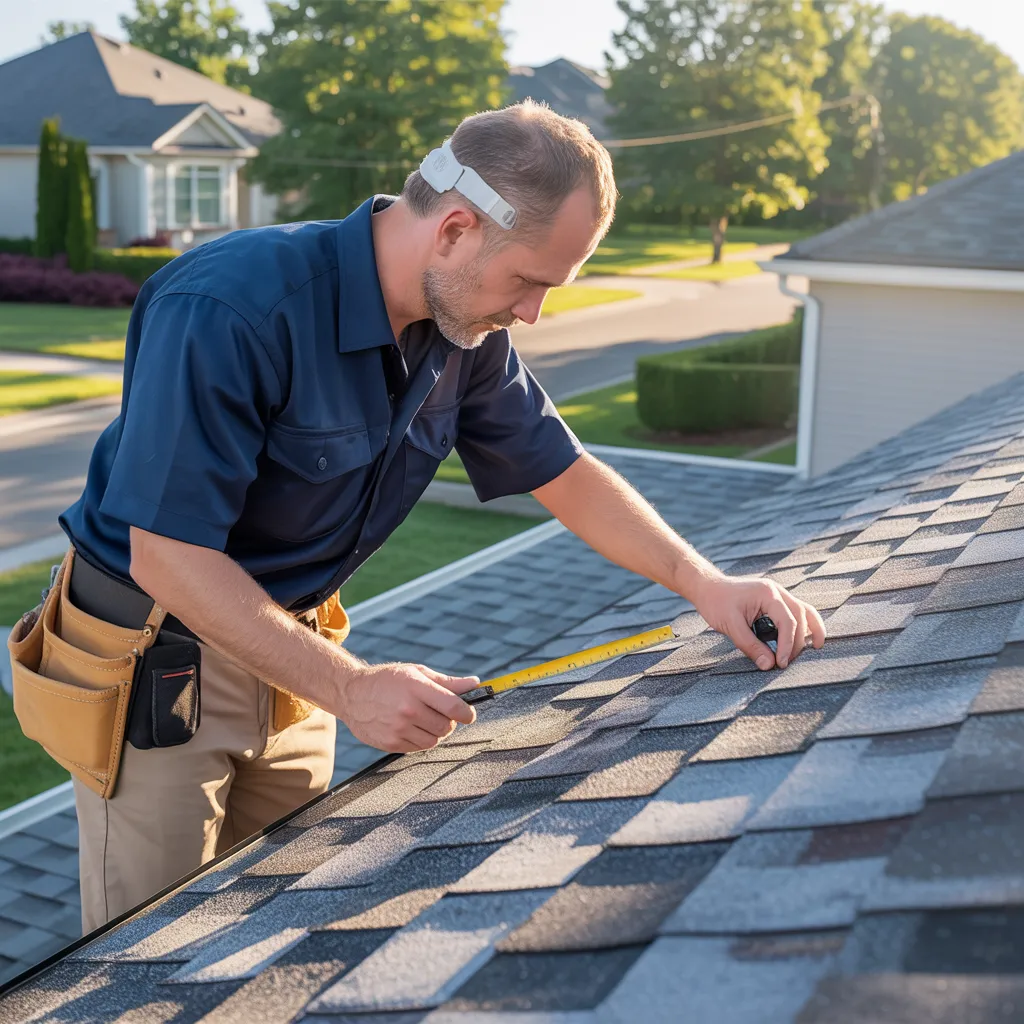
When picking roofing materials, homeowners face a variety of options that can meaningfully impact both the decorative and functional aspects of their homes. Popular materials include asphalt shingles, metal, slate, and tile, each delivering distinct advantages and disadvantages. Asphalt shingles are preferred for their affordability and ease of installation, while metal roofs are renowned for their durability and energy efficiency. Slate provides a luxurious appearance and exceptional longevity but comes with a higher price tag. Tile roofs, often found in Mediterranean-style homes, are visually appealing and resistant to harsh weather conditions. Understanding these materials enables homeowners to make informed decisions based on factors such as climate, budget, and desired appearance, finally guaranteeing a roof that corresponds with their needs and preferences.

Picking the Right Siding Alternatives
What steps can property owners take to ensure their siding selections improve both security and aesthetic value? Identifying the right siding options requires consideration of material types, aesthetic appeal, and climate adaptability. Vinyl siding remains favored because of its durability and low maintenance, while wood offers a classic look that can be painted or stained. Fiber cement unites the positive aspects of both, providing longevity and a variety of styles. Homeowners should also assess color choices that complement their property and neighborhood, as well as textures that can add visual interest. Furthermore, energy efficiency should be a priority; insulated siding can enhance home comfort and reduce energy costs. In the end, the right siding can substantially elevate a home's exterior while ensuring it remains properly shielded against environmental elements.
Variables Affecting Material Longevity
Numerous factors play a vital role in establishing the durability of siding materials. One key aspect is the material composition itself; for example, wood may offer visual appeal but is vulnerable to rot, while vinyl resists moisture but may fade over time. Climate also influences durability, as extreme weather conditions can accelerate wear and tear. Installation quality is another critical factor; improper installation can lead to vulnerabilities, such as leaks and structural issues. Maintenance practices can further impact longevity; regular upkeep can prevent deterioration. Additionally, exposure to environmental elements, such as UV rays and pollutants, can affect the lifespan of siding materials. Understanding these factors is crucial for homeowners seeking durable solutions for their exteriors.
Energy Efficiency and Insulation
Despite the fact that energy efficiency is commonly overlooked, it fulfills an essential role in lowering overall energy consumption and improving comfort within a home. Proper insulation is critical in maintaining an ideal indoor temperature, minimizing heat loss in winter and stopping heat gain in summer. Homeowners should consider materials such as spray foam, fiberglass, or cellulose, which deliver varying levels of thermal resistance. Moreover, the choice of roofing materials can significantly impact energy efficiency; reflective or light-colored options can help cut cooling costs by repelling sunlight. It is also important to tackle air leaks around windows, doors, and vents, as these can diminish insulation effectiveness. In the end, investing in energy-efficient materials leads to lower utility bills and a more sustainable living environment.
Visual Design Elements for Your Property's Outside
When evaluating a home's exterior, three key aesthetic elements stand out: color, texture, and style. Color plays an essential role in defining the overall appearance, as it can evoke emotions and set the tone for the entire property. Selecting complementary hues can highlight architectural features while providing harmony with the surrounding environment. Texture adds depth and interest, whether through siding materials, roofing, or landscaping elements; varied textures can create visual contrast and appeal. Finally, style reflects personal taste and the home's architectural design, ranging from modern to traditional. Choosing materials that align with these aesthetic considerations provides a cohesive look, ultimately boosting the home's curb appeal and value, while making a lasting impression on visitors and passersby.
Budget Planning for Roofing and Exterior Projects
Careful planning and consideration are essential when budgeting for a roofing and exterior project, as unexpected costs can quickly derail even the best-laid plans. Homeowners should begin by evaluating the range of the project, including labor, materials, and possible permits. It is crucial to collect multiple estimates from contractors to guarantee a realistic budget that mirrors current market rates. Furthermore, homeowners should set aside a contingency fund, typically around 10-20% of the total budget, to handle unexpected costs such as repair work or rising material costs. Focusing on needs over wants can also help copyright budgetary constraints - Premier Roofing Fort Wayne. By carefully investigating available options and sustaining open communication with contractors, homeowners can effectively manage their finances throughout the roofing and exterior project
Upkeep and Durability of Materials
Adequate maintenance is vital for prolonging the lifespan of roofing and exterior materials. Routine inspections can detect potential issues such as leaks, cracks, or mold growth, permitting timely repairs. Different materials require specific upkeep; for example, asphalt shingles benefit from periodic cleaning to avoid debris buildup, while metal roofs may need rust treatment. Moreover, the application of protective coatings can enhance durability against harsh weather conditions. Homeowners should also evaluate seasonal maintenance, such as clearing gutters and trimming overhanging branches. By investing time in maintenance, individuals can avoid costly replacements and guarantee their roofing and exteriors remain functional and visually appealing for years to come. Ultimately, a proactive approach brings about greater longevity and protection for the property.
Questions and Answers
What Are the Environmental Impacts of Different Roofing Materials?
Distinct roofing materials have various environmental impacts. For example, asphalt shingles contribute to landfill waste, while metal roofs are suitable for recycling - Roofer. Green roofs promote biodiversity but demand more maintenance, impacting energy efficiency and overall environmental footprint
How Can Local Building Codes Influence Material Selections?
Municipal building codes heavily shape material decisions by enforcing specific standards for energy efficiency, safety, and durability. Adherence to these regulations guarantees that selected materials fulfill legal requirements, ultimately shaping construction practices and project timelines.
Which Warranties Should I Expect From Roofing Materials?
Normally, roofing materials come with warranties varying from 20 to 50 years, depending on the type. These warranties include coverage for defects and sometimes labor, making certain that homeowners are protected against unexpected failure and surprise costs.
Can I Combine Multiple Exterior Material Types?
Blending various kinds of exterior materials is feasible, detailed resource but it demands careful consideration of design elements, functionality, and compatibility. Careful planning guarantees a cohesive look and preserves structural integrity, enhancing both appearance and performance of the building.
What Role Does Weather Play in Material Selection?
Weather conditions substantially affect material selection by dictating durability, insulation properties, and resistance to weather conditions. For instance, areas with intense rainfall may necessitate waterproof materials, while regions with severe temperatures are best suited to insulation-oriented options.